
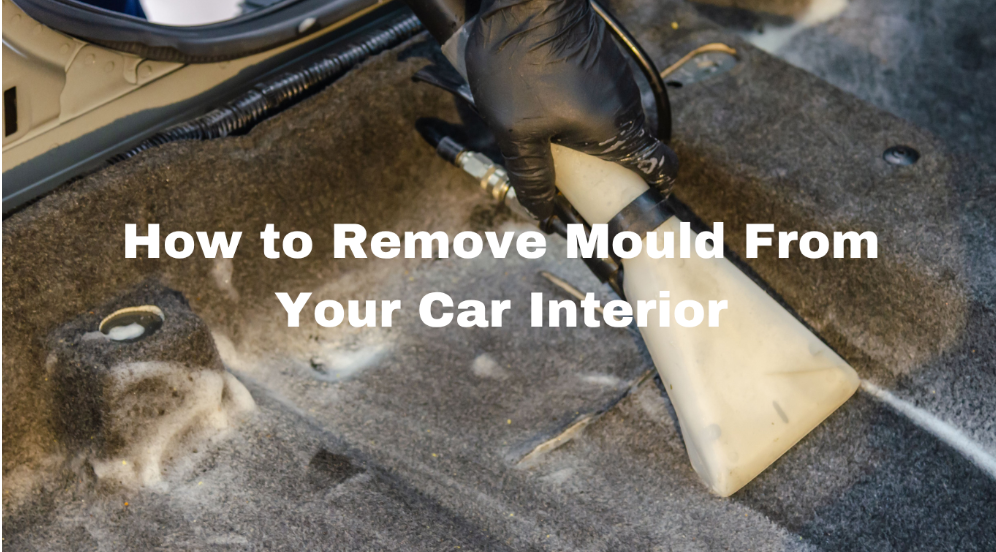
Mould in the car interior not only causes a bad smell but also poses a health risk. It spreads quickly, ruins your seats and carpet, and makes the cabin air unhealthy to breathe. If you notice a musty smell, fuzzy patches on your seats, or dark areas on your carpet, you’re dealing with mould, and it needs to be cleaned up. But mould removal is not easy. It can sometimes be removed with DIY methods, but if it’s too extensive and comes back after a few days, a professional treatment is needed.
In this blog, we will guide you on why mould grows, its effects, and how to remove mould from your car interior yourself. We will also let you know when to seek professional help if it has spread too far.
Let’s get started:
Why Does Mould Grow Inside Your Car?
The three sources that facilitate mould growth are moisture, warmth, and something to feed on. Melbourne’s weather fulfills all the criteria because it’s humid and hot. Once moisture is trapped in a warm, dark car, mould spores begin to develop within 24 to 48 hours.
The most common causes of mould growth are:
- Spilled drinks
- Rain getting in
- Wet items left inside the car
- Air con condensation
- Flooding or water damage
Is Mould in a Car Dangerous?
Mould is not only an aesthetic concern, but also causes everyday skin irritation, nasal congestion, coughing, sneezing and breathing difficulties. Mould spores can be quite deadly for anybody with asthma or allergies, particularly children and the elderly.
Moreover, it is not only harmful to your health but also ruins the seat fabric, tears apart carpet fibres, and quickly diminishes your car’s value.
Types of Mould That Grow in Cars and Their Risks
| Mould Type | Appearance | Risk Level |
| Black Mould (Stachybotrys) | Dark black or green spots | High — serious respiratory risk |
| Mildew | Grey or white powdery patches | Moderate — common allergy trigger |
| Green Mould (Cladosporium) | Green or olive patches | Moderate — irritates eyes and lungs |
| Pink Mould | Pinkish or orange residue | Moderate — often appears after flooding |
| White Mould (Acremonium) | Chalky or foamy white growth | Low–Moderate — spreads fast if untreated |
Can You Remove Car Mould Yourself?
Yes, if the mould is little and shallow and caught early, it can be removed using a DIY remedy. But if it’s in multiple areas and sticks around, or gotten into the hvac system, you need expers help. Disturbing mould without adequate measures could help it spread throughout the cabin, making the problem worse.
How to Remove Mould From a Car Interior Safely?
Here, we will guide you on how to remove mould from your car interior yourself. First, take your car outside and open the door. Never clean your car in a closed garage.
Now follow this process:
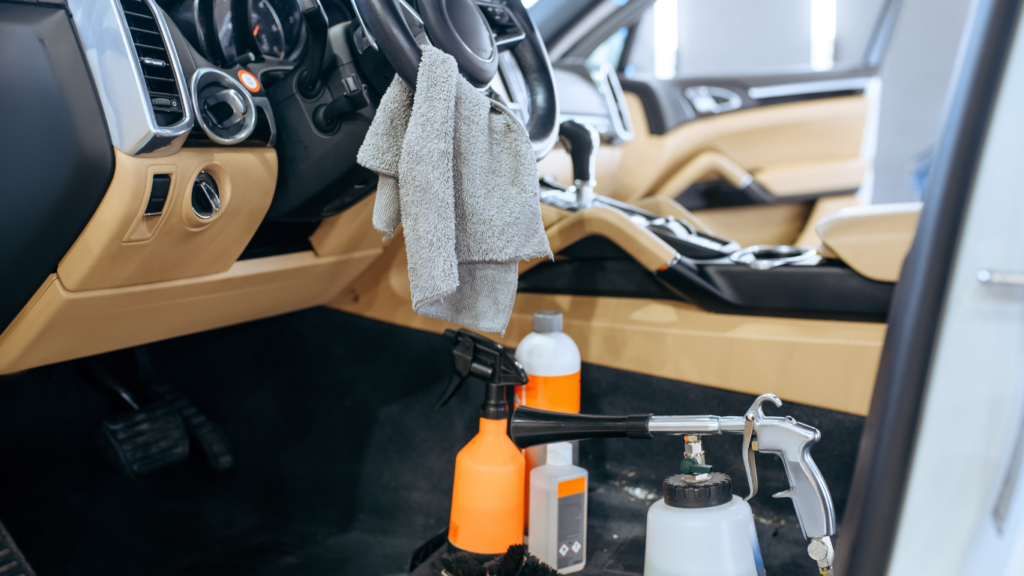
- Wear Protection Before You Touch Mould
Wear a P2 or N95 respirator mask, disposable gloves, and safety eyewear. When you disturb it, mould spores spread in the air. People make several blunders. One of the most common is to breathe directly. Also make sure to wash your garments straight away to decrease the risk.
- Remove Moisture Sources First
Before you clean, identify and eliminate the source of moisture. Check for leaky windows, doors and sunroof drains. Wipe down any wet floor mats, gym equipment or wet things in the car; “If you don’t treat the source of the mould it will come back.
- Pull Out Floor Mats and Carpets
Remove all floor mats and check under them. Moisture hides under mats even when the surface feels dry. If the mats are badly mouldy, replace them. Restoring the affected mats is not worth it.
- Vacuum Thoroughly With a HEPA Filter Vacuum
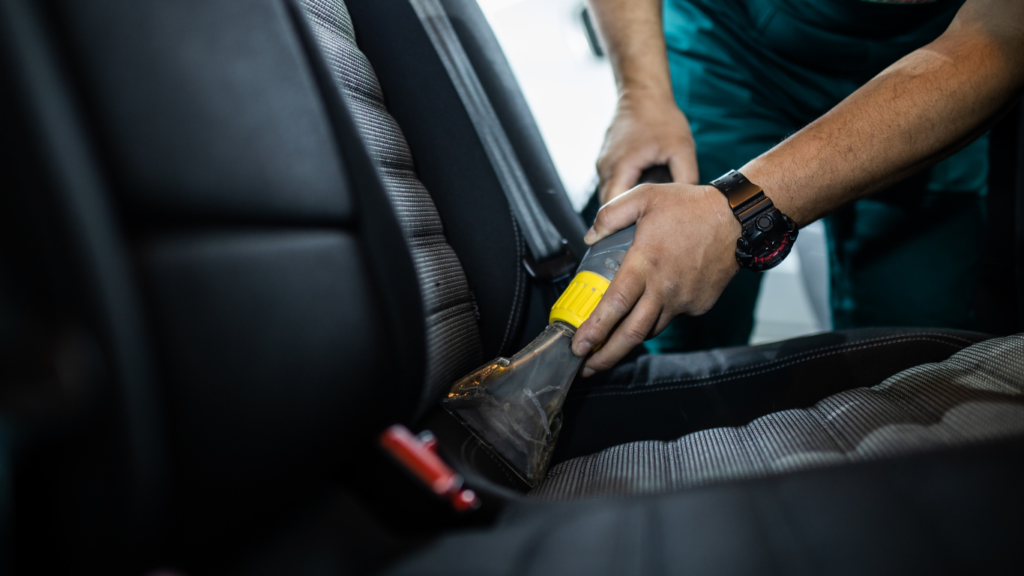
A normal vacuum cleaner spreads the mould spores back into the air. To avoid this, vacuum all surfaces including seats, floors, boots and gaps between seats with a HEPA filter vacuum, so spores can be caught easily. Slowly check all corners especially under the front seats where moisture usually collects.
- Apply a White Vinegar Solution
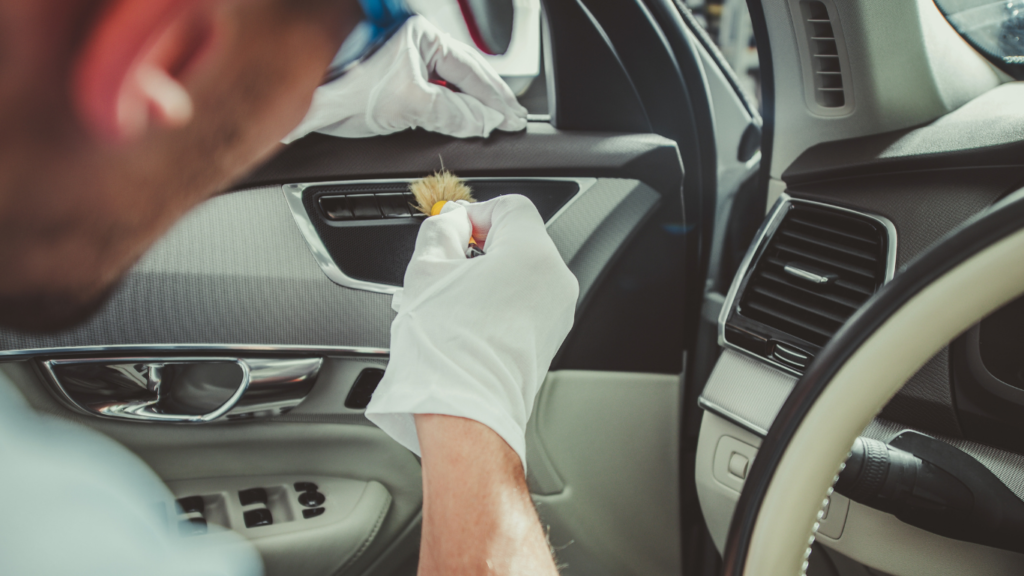
Fill a spray bottle with a 1:1 white vinegar-water solution. Spray this solution to effected areas and leave for 15 minutes. The mild vinegar acid kills mould spores without harming your interior. After that, gently scrub with a soft brush, and wipe with a damp microfibre cloth. Don’t apply too much water, as it can ruin the process.
- Use Baking Soda for Odour Removal
Sprinkle baking soda on clean surfaces and leave it for a few hours or overnight. It removes the odour from fabric and carpet. Use your HEPA vacuum to suck the excess soda. This is a significant step towards removing any odour.
- Try Steam Cleaning for Deep Mould
High-temperature steam kills the spores throughout the fabric and carpet fibers without wetting them. If you don’t have a steam cleaner, rent it from any hardware store in Melbourne. Clean in sections. Wipe away the steam residue with a microfiber cloth after steaming.
- Clean Air Vents and the HVAC System
Mold in the air vents is serious because when you turn on the air conditioning, spores spread throughout the cabin. Spray diluted vinegar or a mould cleaner into the vents, then run the fan on high with the windows open to blow the mould away. Seek professional help if detailed HVAC cleaning is required.
- Use Ozone Treatment for Stubborn Odours
Ozone treatment is very effective if the musty odor persists even after cleaning. It uses an ozone machine to eradicate mould spores and bacteria deep within the foam, carpet, and vents, eliminating the source of odours rather than just masking them. It’s not something that can be done at home because inhaling ozone gas can be harmful. Get it done professionally while the car is fully closed and empty.
- Dry the Interior Completely
Completely dry the interior after cleaning the mould. For drying, leave all doors open to the sun for as long as possible. Place silica gel or a small car dehumidifier inside the car for overnight. Make sure the interior is completely dry before closing up the car, or the mould will return within days.
- Apply Mould-Resistant Products
After drying the car interior, apply an automotive mould-resistant spray or fabric protector. These create a surface barrier that prevents mould spores from settling. Look for quality automotive products that are safe on leather, vinyl, and fabric.
When Should You Call a Professional for Car Mould Removal?
Call a professional detailer if any of these apply:
- Mould covers a large area; multiple seats, carpet, or roof lining
- If the mould keeps coming back after cleaning
- You can smell it, but can’t find it
- The smell returns every time you run the air conditioner
- Someone in the car has worsening respiratory symptoms
- If the car got flooded or had water damage
Why Is Professional Car Mould Removal More Effective?
Professional tools reach places that DIY methods can’t. Professional detailers use industrial steam at temperatures to kill spores on contact. HEPA extraction method pulls spores from the cabin air, not just surfaces. HVAC treatment means spores aren’t being recirculated every time you drive. The result lasts longer, the smell goes away completely, and there’s no risk of spreading spores by disturbing mold without the right gear.
How Wills Car Detailing Can Help You Remove Mould
Not all detailing services are the same. A quick wipe and spray can never do the work that the right equipment, products, and expertise can.
This is where Wills Car Detailing comes in. We have a team of expert detailers who use professional steam cleaning, HEPA extraction, and automotive mould treatments to eliminate mould from the roots. Moreover, we treat all affected areas, clean the HVAC system as necessary, and leave your interior smelling truly fresh.
Our mobile team travels all of Melbourne, Craigieburn, Epping, Doncaster, Frankston, and anywhere in Melbourne’s northern suburbs.
Call and book your mould removal service with Wills Car Detailing without wasting time.
How Can You Stop Car Mould Coming Back?
- Fix leaks immediately
- Never leave wet items in the car
- Air the car out regularly
- Use a car dehumidifier
- Clean up spills immediately
- Run the air con regularly
- Get a professional detail every 6–12 months
Wrapping Up
Mould in the car interior is not something to ignore. It affects your health, your passengers, and your vehicle’s value. Small patches caught early can be handled with DIY solutions at home, such as vinegar, baking soda, and a HEPA vacuum. But widespread mould, recurring growth, or anything inside the HVAC system needs professional treatment.
At Wills Car Detailing, we properly remove car mould across Melbourne, from Bundoora to Frankston, and from Craigieburn to Doncaster. If you’re ready to get your car smelling clean again, we’re one call away.
Book your mould removal service today →
Frequently Asked Questions
What kills mould on fabric car seats?
White vinegar mixed with water is the safest and most effective option. Spray it on, leave for 15 minutes, scrub gently, and wipe clean. For deep mould in the seat foam, steam cleaning works best.
How much does car mould removal cost in Melbourne?
Different companies charge different costs depending on how bad the mould is, how much of the car is affected, and whether the HVAC system needs treatment. A small surface clean costs far less than a full interior decontamination. At Wills Car Detailing, we assess each car individually and give you a straight quote before we start.
What kills mould in cars?
White vinegar, baking soda, and high-heat steam all kill mould spores. For mould inside the HVAC system or deep in carpet and foam, professional steam cleaning is the only way to eliminate it completely.
Can mould be fully removed from a car?
Yes, if it is caught early and treated properly. Surface mould can be cleaned at home. But widespread or deep mould needs professional treatment to fully remove it and prevent it from coming back. Wills Car Detailing uses professional-grade equipment to make sure no spores are left behind.
Why is mould growing inside my car?
Moisture, such as spilled drinks, rain getting in through a cracked seal, wet items left in the car, or a blocked HVAC system trapping condensation, can be a cause. Once moisture is trapped in a warm, dark car, mould starts growing within 24 to 48 hours.